- Your cart is empty
- Continue Shopping

How Hormonal Changes Affect Female Sexual Health at Various Life Stage

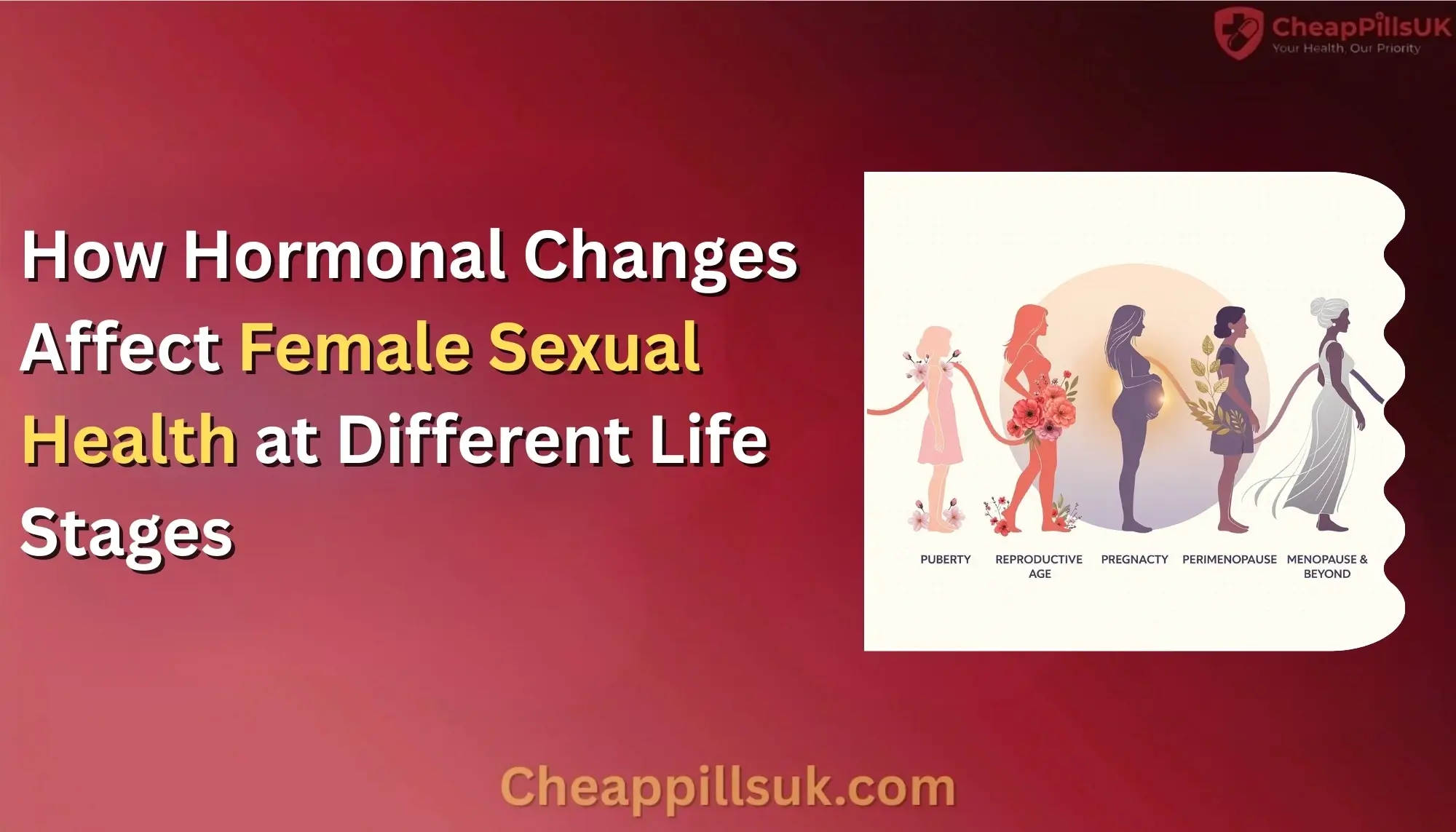
Female sexual health is closely connected to hormones. Throughout life, a woman’s body goes through many hormonal changes that influence desire, mood, comfort during intimacy, and overall reproductive wellness. From puberty to pregnancy and later menopause, hormones play a key role in shaping how the body responds physically and emotionally.
Many women notice changes in their sex drive or comfort during intimacy at different stages of life. These shifts are natural, but understanding them helps women care for their bodies better. Hormonal balance supports confidence, relationships, and overall female reproductive health.
This guide explains how hormones influence sexual health at different stages of life and what women can do to maintain balance and well-being.
Hormones and Female Sexual Health
Hormones act as chemical messengers that control many functions in the body. Estrogen, progesterone, and small amounts of testosterone regulate reproductive health, mood, and sexual desire.
When hormone levels change, the body responds in different ways. Some women may notice mood shifts, fatigue, or changes in libido. These are often signs of hormonal imbalance symptoms in females.
Hormones affect blood flow, lubrication, and nerve sensitivity, all of which influence sexual comfort and response. When levels remain balanced, intimacy often feels natural and comfortable. When they fluctuate, women may experience lower desire or physical discomfort.
Understanding these changes helps women manage symptoms and maintain long-term health.
Hormonal Changes During Puberty
Puberty is the first major stage of hormonal change in a woman’s life. During this time, the body begins producing higher levels of estrogen and progesterone. These hormones trigger physical development and reproductive maturity.
Girls may experience breast development, body changes, and emotional shifts. These are part of hormonal changes in puberty, which prepare the body for adulthood.
Another common issue during adolescence is irregular periods in teens. Hormone levels are still adjusting, so menstrual cycles may not be consistent at first. These fluctuations are normal as the body learns to regulate hormone production.
This stage also introduces emotional sensitivity and curiosity about relationships. Learning about healthy communication and body awareness is important for developing positive attitudes toward sexual health.
Hormones and Sexual Health in Early Adulthood
During early adulthood, hormone levels usually become more stable. This is often when women experience strong reproductive health and balanced libido.
However, lifestyle factors can disturb this balance. Stress, poor sleep, and unhealthy diets may cause female sexual dysfunction or reduce desire.
Certain health conditions may also appear during these years. One example is polycystic ovary syndrome symptoms, which can include irregular periods, acne, weight gain, and hormonal imbalance.
Some women with hormone disorders may also experience symptoms of high testosterone in females, such as excess facial hair or skin changes. These symptoms indicate that hormone levels need medical attention.
Maintaining a healthy lifestyle during this stage supports long-term reproductive health and hormonal balance.

Sexual Health During Pregnancy
Pregnancy brings some of the most dramatic hormonal changes in a woman’s life. Estrogen and progesterone levels rise rapidly to support the developing baby.
These hormone levels during pregnancy influence mood, energy, and physical comfort. Some women notice increased intimacy because of improved blood flow and emotional closeness. Others may experience fatigue or reduced interest in sex.
Changes in sex drive during pregnancy are completely normal. Hormonal shifts affect each woman differently. Some may feel more desire during certain months, while others prefer rest and emotional closeness.
Another common experience during pregnancy is emotional fluctuation. Hormones in pregnancy mood swings can cause sudden changes in feelings, making women feel happy one moment and sensitive the next.
Managing stress is also important. High stress levels may influence pregnancy health, which is why experts discuss the effects of stress on pregnancy and recommend relaxation and supportive environments.
Hormonal Changes After Childbirth
After childbirth, the body goes through a recovery phase that involves major hormonal shifts. Estrogen and progesterone levels drop quickly, while other hormones support breastfeeding and healing.
These postpartum hormone changes can affect mood, energy, and sexual desire. Many women feel tired or emotionally sensitive during this time.
Another challenge is adjusting to hormonal changes after birth, which may lead to temporary mood swings or reduced libido. The body needs time to restore balance after pregnancy.
Physical recovery also plays a role in sexual health. Women may experience dryness, discomfort, or lower desire while the body heals.
Support, rest, and patience help women regain confidence and comfort during intimacy.
Hormonal Changes in the Premenopausal Stage
As women move into their late thirties or forties, hormone levels slowly begin to change again. This stage is often known as perimenopause.
Many women notice premenopausal symptoms, such as irregular cycles, sleep problems, or mood changes. These shifts happen because estrogen levels start to decline gradually.
Sexual desire may change during this time. Some women experience lower libido, while others notice emotional changes affecting intimacy.
Understanding these transitions helps women manage them with confidence and avoid unnecessary worry.
Menopause and Sexual Health
Menopause is a natural stage that marks the end of reproductive cycles. During this time, estrogen levels drop significantly.
These changes often influence menopause and libido. Some women experience reduced desire or physical discomfort during intimacy.
Another common issue is painful sex after menopause, which happens because lower estrogen levels reduce natural lubrication and elasticity.
In some cases, doctors may recommend testosterone for women in menopause to help support libido and energy levels. Hormone support therapies may help some women maintain comfort and confidence.
Open communication with partners and healthcare providers helps women manage these changes more easily.
Supporting Hormonal Balance Naturally
Women can support hormone health through simple lifestyle habits. Healthy eating, regular exercise, and stress control help maintain balance.
Some women also explore libido-boosting supplements for females that support energy and hormone function.
Nutritional support plays an important role as well. Certain nutrients are known as vitamins to balance hormones for females, helping support reproductive health and mood stability.
Many women also look for ways to balance female hormones through better sleep, hydration, and stress reduction.
Natural habits such as a healthy diet, exercise, and relaxation are often recommended for how to balance hormones naturally.
These habits improve circulation, support hormone production, and help maintain emotional balance.
When to Seek Medical Advice
While many hormonal changes are normal, certain symptoms should not be ignored. Persistent fatigue, sudden mood changes, severe pain, or long-term loss of libido may require medical attention.
Conditions such as hormone imbalance, thyroid problems, or reproductive disorders can affect sexual health if untreated.
Early guidance helps women protect their health and avoid complications later in life.
Final Thoughts
Hormonal changes are a natural part of a woman’s life. From hormonal changes in puberty to postpartum hormone changes, menopause, and libido, every stage brings new experiences for the body.
These changes influence mood, desire, and physical comfort during intimacy. Understanding hormonal imbalance symptoms in females, recognizing issues like polycystic ovary syndrome symptoms, and supporting female reproductive health help women maintain confidence and well-being.
Healthy habits, balanced nutrition, and stress management play a powerful role in hormone stability. Learning how to balance female hormones and how to balance hormones naturally allows women to support their sexual health throughout life.
With awareness and care, women can navigate hormonal changes with strength, comfort, and confidence.