- Your cart is empty
- Continue Shopping

HIV vs AIDS: Differences, Symptoms, and Ways to Prevent for Couples


Many couples hear the words HIV and AIDS, but are not always sure what they really mean or how they affect daily life. Some think these are the same thing, while others think that just some people are in danger. HIV and AIDS are quite similar, yet they are not the same thing. Couples can protect each other, feel less scared, and make better health choices together if they understand each other well.
This guide explains the difference between hiv and aids, common symptoms, how the virus spreads, and the best ways couples can prevent infection and stay healthy.
What Is HIV?
HIV stands for Human Immunodeficiency Virus. It is a virus that attacks the immune system. The immune system is the body’s natural defence against illness. When HIV enters the body, it slowly damages the cells that fight infections.
At first, many people feel normal and do not know they have the virus. This stage is often called early infection. Some people may notice early signs of hiv, such as fever, sore throat, tiredness, or swollen glands. These signs are easy to mistake for the flu or viral fever.
HIV can live in the body for many years without causing serious illness. During this time, a person can still pass the virus on to others without knowing it.
What Is AIDS?
AIDS stands for Acquired Immune Deficiency Syndrome. It is the final and most serious stage of HIV infection. AIDS develops when HIV has badly damaged the immune system.
People often ask how long it takes to get aids symptoms. This depends on treatment and lifestyle. Without treatment, AIDS can develop in several years. With proper care, many people with HIV never reach the AIDS stage.
AIDS is not a different virus. It is the result of long-term HIV infection when the body can no longer fight common infections or diseases.
HIV Virus vs AIDS
The key idea in hiv virus vs aids is simple. HIV is the virus. AIDS is a condition caused by the AIDS virus when the immune system becomes very weak. A person can have HIV without having AIDS, but AIDS cannot happen without HIV.
How Is HIV and AIDS Transmitted?
Couples often want to know how HIV/AIDS is transmitted. HIV spreads through specific body fluids such as blood, semen, vaginal fluids, rectal fluids, and breast milk. The most common ways include:
- Unprotected vaginal or anal sex.
- Sharing needles or syringes.
- From mother to baby during birth or breastfeeding.
- Blood transfusions in unsafe medical settings.
Some couples worry about kissing or sharing food. These do not spread HIV. Saliva, sweat, and tears do not transmit the virus unless mixed with blood.
Many ask about the risk of hiv from oral sex. The risk is lower than anal or vaginal sex, but it is not zero, especially if there are cuts, sores, or bleeding gums.
Symptoms of HIV
Symptoms can vary from person to person. Some feel sick early, while others feel nothing for years.
Common hiv symptoms in men may include fever, weight loss, night sweats, muscle pain, and tiredness. Some men may also notice skin rashes or mouth ulcers.
Common symptoms of hiv in women include fatigue, swollen lymph nodes, fever, and vaginal infections that return often. Women may also experience changes in menstrual cycles.
A special sign some people notice is hiv infection symptoms rash, which can appear on the chest, back, or face during early infection.
Throat problems can also happen. Some people develop hiv throat sores, which make swallowing painful.
Incubation and Transmission Rates
The incubation period of hiv aids is the time between infection and noticeable symptoms. This period can last from a few weeks to many years. During this time, the virus is still active in the body.
People also ask about hiv aids transmission rates. The risk depends on the type of contact, the amount of virus in the blood, and whether protection is used. Using protection lowers the risk greatly.
HIV in Couples
Many couples face a situation where one partner is infected, and the other is not. These are called hiv negative and positive partners. With the right care, couples can still have safe and loving relationships.
Testing, honesty, and prevention methods are the main tools for protection. When both partners understand their health status, they can plan safer intimacy.
HIV Screening and Testing
Regular hiv screening is important for couples. Testing is the only way to know for sure if someone has HIV. Many people with HIV look healthy and feel fine.
Testing is especially important before stopping condom use or planning pregnancy. Early detection allows treatment to begin sooner, which protects both the infected person and their partner.
Ways to Prevent HIV for Couples
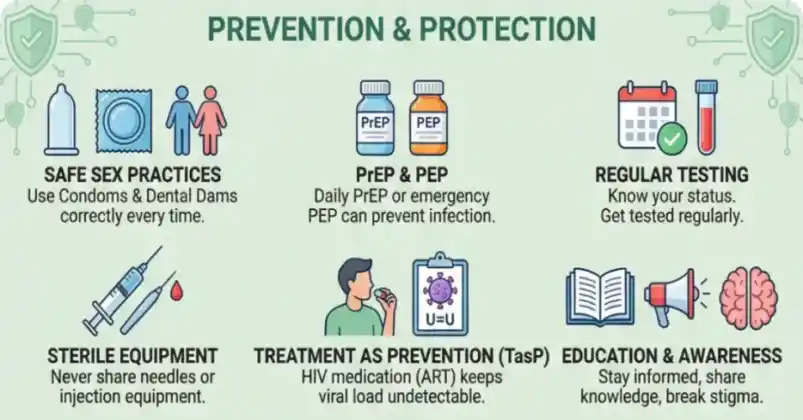
There are many strong hiv prevention methods that couples can use together.
Condom Use
One of the best tools is condoms. A condom prevents HIV by blocking contact with infected fluids. When used correctly every time, condoms reduce the risk greatly.
PrEP
Some people use prep for hiv, which is a daily medicine taken by HIV-negative people to reduce their risk of infection. It is especially useful when one partner is HIV-positive.
Post-Exposure Protection
If someone thinks they were exposed, post-exposure prophylaxis can be used. This is a short course of medicine taken soon after exposure to lower the chance of infection.
Safe Sex Practices
Using protection, avoiding sharing needles, and having open talks about health are all part of safe sex practices. These habits protect both partners and build trust.
Treatment and Long-Term Health
HIV does not have a cure, but it can be controlled with medicine. Antiretroviral therapy is the main treatment for HIV. It lowers the amount of virus in the body and helps the immune system recover.
When the virus level becomes very low, the risk of passing it to a partner also becomes much lower. This allows couples to live more normal lives with fewer worries.
Understanding Symptoms Over Time
People often wonder about changes over time. The question of how long it takes to get aids symptoms depends on many factors, including treatment and health habits. Some people never develop AIDS because they start treatment early.
Watching for signs like frequent infections, weight loss, or long-lasting fever helps catch problems early.
For more helpful guides on sexual health and safe practices, explore our latest articles on the cheappillsuk blog.
Oral Sex and Other Risks
Couples often worry about the risk of hiv from oral sex. The risk is lower than other types of sex, but it can increase with mouth sores, bleeding gums, or throat infections.
This is why protecting the mouth and throat matters. Hiv throat sores can increase risk if exposed to infected fluids.
Building Trust and Communication
HIV is not just a medical issue. It also affects emotions and relationships. Couples who talk openly about testing, protection, and fears are better prepared.
Supporting each other during testing or treatment builds confidence. HIV does not have to break a relationship when both partners work as a team.
Why Education Matters
Understanding the difference between hiv and aids removes fear and confusion. Knowing symptoms, transmission, and prevention helps couples take control of their health.
Many myths still exist. Learning the truth allows couples to protect each other and make smart choices about intimacy and family planning.
Final Thoughts
HIV and AIDS are linked but not the same. HIV is the virus, and AIDS is the condition that can develop later. Early testing, clear knowledge of hiv virus vs aids, and strong prevention steps help couples stay safe.
By using hiv prevention methods, getting regular hiv screening, and following safe sex practices, couples can greatly reduce risk. Treatments like antiretroviral therapy, prep for hiv, and post-exposure prophylaxis offer strong protection and control.
Understanding symptoms such as early signs of hiv, hiv symptoms in men, and symptoms of hiv in women helps catch the infection early. Awareness of risks like hiv infection symptoms rash, hiv throat sores, and risk of hiv from oral sex adds extra safety.
For couples, the goal is simple: protect each other, stay informed, and support one another. With the right knowledge and habits, HIV can be managed, and healthy relationships can continue with confidence and care.